


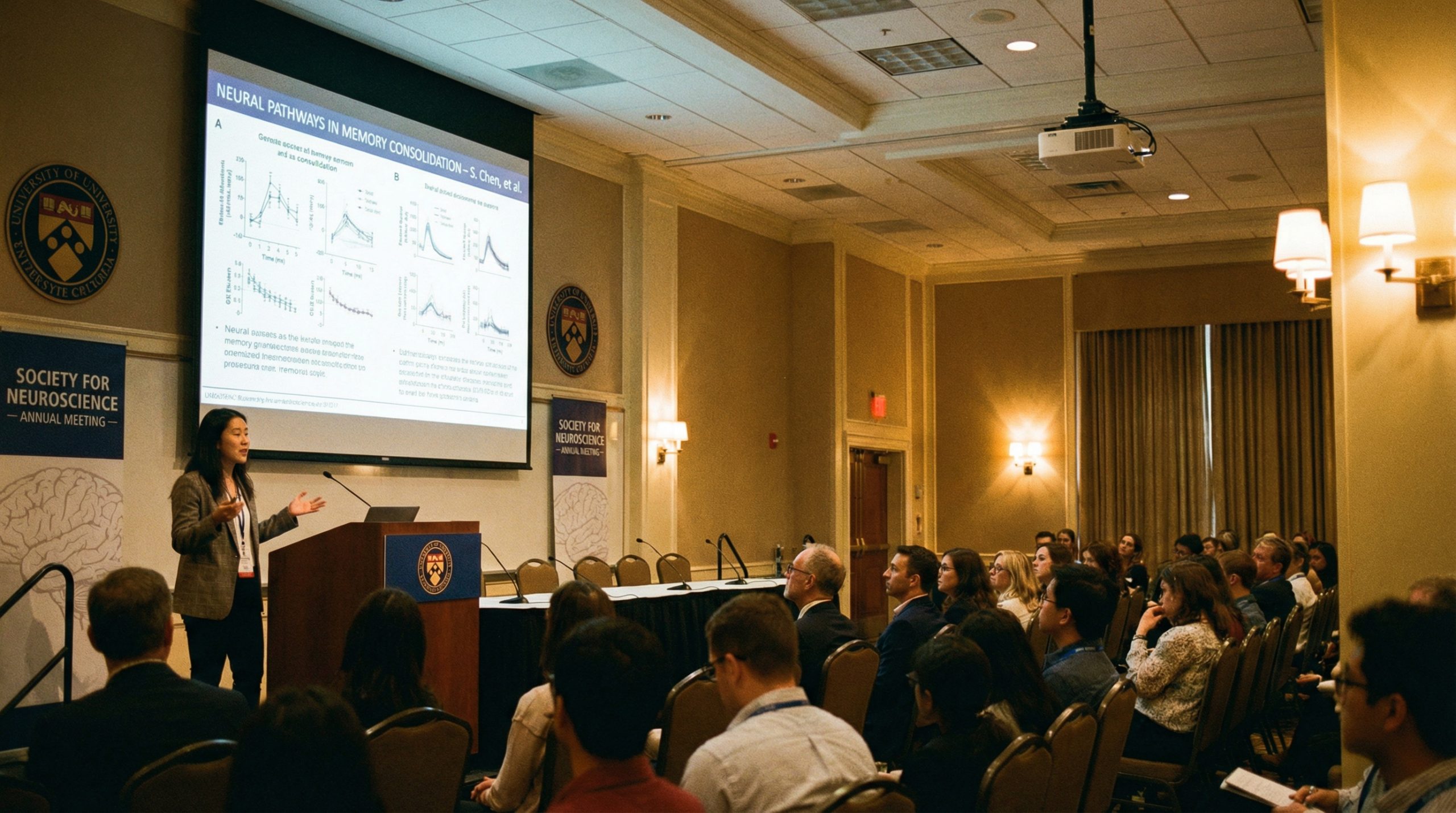
The Conference Room Felt Enormous, and I Had 12 Minutes
My first research presentation was at a regional education conference in Pune. I had spent six months on my study, written a 40-page paper, and was genuinely proud of my findings. Then I stood at the podium, looked at the audience of 60 people, and realized I had no idea how to condense six months of work into 12 minutes without losing everything that mattered.
I made every mistake a first-time presenter makes. I read from my slides. I crammed three tables onto one slide. I ran two minutes over time and got cut off before my conclusion. Walking out of that room, I felt like I’d failed my own research. The work was good — the presentation wasn’t.
That experience taught me something I now share with every student I mentor: knowing how to present a research paper is a completely different skill from knowing how to write one. And it’s a skill nobody teaches you in grad school. Here’s the guide I wish I’d had.
Your Paper and Your Presentation Are Not the Same Thing
This is the most important thing to understand. Your paper is comprehensive by design — it covers methodology, literature review, data, analysis, limitations, and conclusions. Your presentation should not cover all of that. It can’t. And trying to do so is the number one reason research presentations fail.
Think of your presentation as a movie trailer for your paper. A trailer doesn’t show the entire film — it shows the most compelling moments and makes you want to see more. Your presentation should make the audience want to read your paper, not replace it.
Structure: The Framework That Works Every Time
After presenting at dozens of conferences and coaching hundreds of students, I’ve settled on a structure that works regardless of discipline:
1. The Hook (1 minute): Start with why your research matters to real people. Not “This study examines the correlation between…” but “Every year, 2 million students drop out of online courses. We wanted to know why — and what we can do about it.”
2. The Problem (2 minutes): What gap does your research fill? What question hasn’t been answered? Be specific about what was missing in the existing literature — but don’t review every paper you cited. Mention the two or three most relevant ones.
3. Your Approach (2 minutes): Methodology, but simplified. “We surveyed 500 students across 10 universities over 6 months.” Your audience needs to trust your method, not replicate it. Save the detailed methodology for your paper.
4. Key Findings (3-4 minutes): This is the heart of your presentation. Focus on 2-3 main findings — not all of them. Present them with visual aids: charts, graphs, or comparison tables. One finding per slide.
5. What It Means (2 minutes): Implications. Why should the audience care? How does this change practice, policy, or future research?
6. Closing (1 minute): Your single most important takeaway, followed by an invitation for questions.
Designing Slides for Academic Presentations
Academic slides have a reputation for being terrible — dense text, tiny fonts, overcrowded charts, and a color scheme that says “I spent zero minutes on design.” You can do better without spending hours. Here are the rules I follow:
Maximum 6 lines of text per slide. If you need more, split it into two slides. Your audience can’t read a paragraph on screen while also listening to you. For more on this principle, see why cluttered slides fail.
One chart per slide. Never put two graphs side by side unless you’re making a direct comparison. If your chart needs squinting to read, it’s too small or too complex for a presentation.
Use at least 24pt font. For the audience member in the back row, anything smaller is invisible. Headings should be 32pt or larger.
Label everything. Every axis, every bar, every data point that matters. Don’t assume the audience can interpret your chart without guidance — walk them through it verbally while they see it visually.
For data-heavy research, effective data visualization techniques can transform your findings from confusing to compelling.
Handling the Q&A (Without Panicking)
The Q&A is where most students feel the most anxious. Here’s how to prepare:
Anticipate the top 5 questions. You know your research’s weaknesses. Prepare concise answers for questions about sample size, methodology limitations, generalizability, and alternative explanations. Having answers ready reduces panic by 90%.
It’s okay to say “I don’t know.” Add: “That’s an interesting question. It wasn’t within the scope of this study, but it could be valuable for future research.” This is an honest, professional response that demonstrates intellectual humility.
Repeat the question. Before answering, repeat or rephrase the question for the audience. This buys you thinking time and ensures everyone in the room heard the question.
For more strategies, check out how to handle tough questions after your presentation.
Time Management: The Skill Nobody Practices
Conference presentations have strict time limits — usually 10, 15, or 20 minutes. Going over time is unprofessional and can get you cut off. Here’s my system:
- Practice with a timer. Not once — at least three times. Each practice run will be different in length, so average them out.
- Build in a buffer. If you have 15 minutes, design for 12. This gives you room for pauses, unexpected audience reactions, and technical glitches.
- Know your “cut” slides. Mark 2-3 slides that you can skip if you’re running long. Design them so your presentation still flows without them.
- Use the timer on your phone. Place it on the podium where you can see it. Glance at it naturally — don’t stare at it constantly.
Common Mistakes First-Time Research Presenters Make
I’ve watched hundreds of student presentations, and these mistakes appear in nearly every one:
Reading from slides. If you’re reading, you’re not presenting. Your slides are visual aids — you should know your content well enough to discuss it while glancing at the screen occasionally. Practice until you can present each slide looking at the audience, not the screen.
Starting with methodology. Unless your audience is specifically interested in your method (rare), lead with your findings or your research question. Why should they care? Answer that first.
Using jargon without definition. Even at academic conferences, not everyone shares your specialty. If you use a term specific to your field, define it in plain language on the slide or verbally. It takes three seconds and prevents confusion.
Skipping the “so what?” Every finding needs a “so what?” What does this mean for practice? For policy? For the person sitting in the audience? Data without interpretation is just numbers.
Tools That Make Research Presentations Easier
You don’t need expensive software. Here’s what I recommend:
- Google Slides for collaboration with co-authors (free and accessible)
- Canva for creating clean academic posters and simple slide designs
- Datawrapper (free) for creating professional charts that you can screenshot into your slides
- Zotero for managing citations — even though you won’t cite heavily in presentations, having your references organized helps you answer questions
Your Research Deserves a Good Presentation
I always tell my students this: you spent months — sometimes years — on your research. Don’t let a bad presentation be the reason people overlook it. The most brilliant findings in the world are useless if nobody understands them.
A good research presentation isn’t about performing. It’s about translating. You’re translating complex, nuanced work into something a room full of people can grasp in 15 minutes and carry with them afterward. That’s a skill worth practicing.
As a framework I use in every training I design: know your audience, respect their time, and always ask yourself — will they remember this tomorrow? If the answer is yes, you’ve done your job. Now go present your work with the confidence it deserves.