


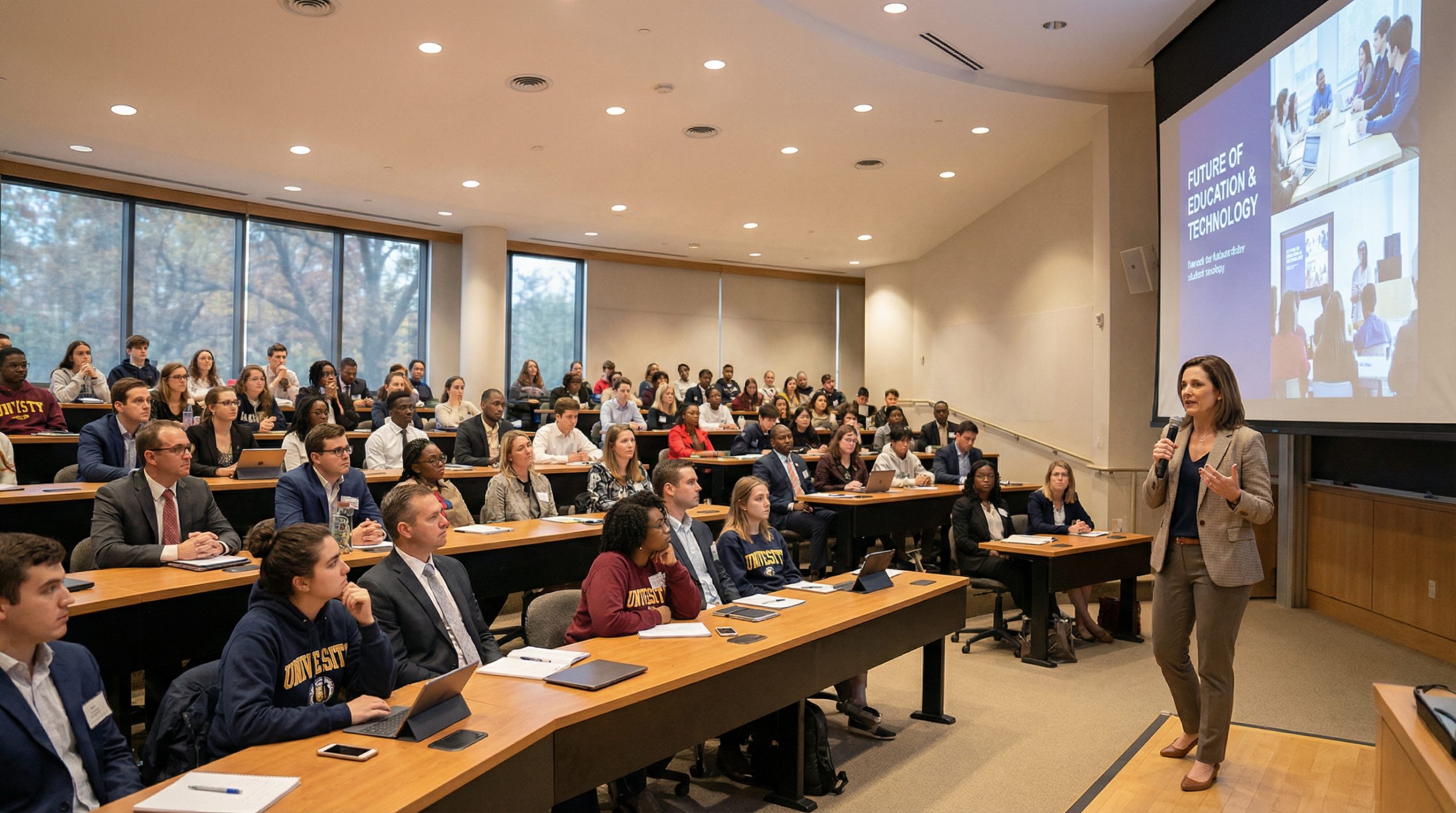
Presenting a seminar is one of the most rewarding — and nerve-wracking — experiences in academic and professional life. Whether it’s a university requirement, a research presentation, or a professional development session, a well-delivered seminar can build your reputation and establish you as a subject-matter authority.
This step-by-step guide covers everything you need to know about how to present a seminar, from planning your content to handling the Q&A session at the end.
What Makes a Seminar Different From a Regular Presentation?
Before diving into the how-to, it helps to understand what sets a seminar apart from a typical presentation or lecture.
A seminar is usually a focused, in-depth discussion on a specific topic. Unlike a lecture where information flows one way, seminars often involve audience participation, discussion, and critical analysis. They tend to be longer (typically 20-60 minutes), more detailed, and aimed at a knowledgeable audience.
Key differences include:
- Depth over breadth: Seminars explore one topic thoroughly rather than covering many topics superficially.
- Interactive elements: Audience questions, discussions, and debates are expected and encouraged.
- Expertise expected: Your audience assumes you have deep knowledge of the subject. Be prepared for tough questions.
- Formal structure: Most seminars follow a clear format — introduction, literature review, methodology, findings, discussion, and conclusion.
Step 1: Choose and Narrow Your Topic
If you have the freedom to choose your seminar topic, pick something you’re genuinely interested in. Enthusiasm is contagious, and it’s much easier to speak for 30-45 minutes about something you care about.
Once you have a broad topic, narrow it down to a specific angle. For example, instead of presenting on “climate change,” focus on “the impact of rising sea temperatures on coral reef ecosystems in Southeast Asia.” A focused topic allows for deeper analysis and keeps your audience engaged.
Tips for choosing your topic:
- Check if there’s recent research or developments you can reference
- Make sure enough credible sources exist for you to build a strong argument
- Consider your audience — what would they find valuable or surprising?
- Ask your supervisor or organizer if your topic fits the seminar’s scope
Step 2: Research Thoroughly and Organize Your Material
Seminar audiences expect substance. Skim-level knowledge won’t cut it — you need to be the most informed person in the room about your topic.
Start with a literature review. Read the key papers, books, and articles in your topic area. Take notes on the main arguments, methodologies, and findings. Identify gaps in the existing research that your seminar can address.
Organize your material into a logical flow:
- Introduction: What’s the topic and why does it matter?
- Background/Literature Review: What do we already know?
- Main Content: What are you presenting — new findings, analysis, or a fresh perspective?
- Discussion: What are the implications? What questions remain?
- Conclusion: Summarize your key points and suggest next steps.
Step 3: Design Your Seminar Slides
Your slides should support your spoken content, not replace it. The biggest mistake seminar presenters make is cramming paragraphs of text onto slides and then reading them aloud.
Slide design principles for seminars:
- One idea per slide: Each slide should communicate a single concept or point.
- Use visuals: Charts, graphs, diagrams, and images convey information faster than text. For research seminars, well-designed data visualizations are essential.
- Minimal text: Use keywords and short phrases, not full sentences. Your voice provides the detail.
- Consistent design: Use the same fonts, colors, and layout throughout. A clean, professional template goes a long way.
- Number your slides: This helps during Q&A when someone references a specific point.
- Include citations: In academic seminars, cite your sources on the slides where you reference them.
For a 30-minute seminar, plan for approximately 15-20 slides. For a 45-minute session, 20-30 slides is typical. Always leave time for questions.
Step 4: Practice Your Delivery
Rehearsal separates good seminar presenters from great ones. Here’s how to practice effectively:
- Present out loud: Don’t just click through slides silently. Speak your full presentation aloud, as if the audience is there.
- Time yourself: Use a stopwatch and track how long each section takes. Adjust if you’re running over or finishing too early.
- Record yourself: Watch the recording to spot verbal tics (“um,” “like,” “so”), awkward pauses, or sections where you lose momentum.
- Practice transitions: Smooth transitions between sections make your seminar feel polished and intentional. Know how you’ll bridge from one topic to the next.
- Rehearse with an audience: Present to a friend, colleague, or study group. Ask for honest feedback on clarity, pacing, and engagement.
Aim to rehearse at least three complete run-throughs before the actual seminar.
Step 5: Deliver With Confidence
When seminar day arrives, here’s how to deliver with impact:
Start strong: Open with a hook — a provocative question, a surprising statistic, or a brief anecdote that sets the stage. Don’t begin with “Today I’m going to talk about…” That’s the most forgettable opening possible.
Maintain eye contact: Look at your audience, not your slides. Glance at the screen briefly to confirm which slide you’re on, then turn back to the room.
Vary your voice: Monotone delivery puts people to sleep. Vary your pace, volume, and emphasis to keep the audience’s attention. Slow down for important points and speed up slightly for transitions.
Use the space: Don’t stand frozen behind the podium. Move naturally, use hand gestures, and engage different parts of the room.
Stay on time: Keep a clock visible and check it periodically. If you’re running long, skip less important slides rather than rushing through everything.
Step 6: Handle the Q&A Like a Pro
The Q&A session is where many seminar presenters stumble. Questions can be challenging, unexpected, or even confrontational. Here’s how to handle them:
- Listen fully: Let the questioner finish before responding. Don’t interrupt or start formulating your answer while they’re still talking.
- Repeat the question: Restate the question so everyone in the room hears it. This also gives you a moment to organize your thoughts.
- Be honest: If you don’t know the answer, say so. “That’s an excellent question, and I haven’t explored that angle yet” is perfectly acceptable in academic settings.
- Stay composed: If someone challenges your work, respond calmly and professionally. Thank them for the insight and address their point with evidence.
- Keep answers concise: Don’t give a 5-minute answer to a 30-second question. Be direct and specific.
- Prepare for likely questions: Before your seminar, brainstorm the toughest questions someone could ask and prepare your responses.
Common Seminar Mistakes to Avoid
Watch out for these frequent pitfalls:
- Reading directly from slides or notes: Your audience can read. They came to hear your insights and explanations, not a recitation.
- Overloading with information: It’s tempting to include everything you know. Resist. Focus on the most important and interesting points.
- Ignoring time limits: Going over time is disrespectful to your audience and organizers. Practice until you can comfortably finish within the allotted time.
- Skipping the introduction: Don’t assume your audience knows why your topic matters. Always establish context and relevance first.
- No clear takeaway: Every seminar should leave the audience with at least one memorable insight or conclusion.
Presenting a seminar is a skill that improves with practice. Your first seminar might feel overwhelming, but each one gets easier. Focus on solid preparation, clear structure, and genuine engagement with your audience. When you know your material and care about your topic, confidence follows naturally.